
Summary
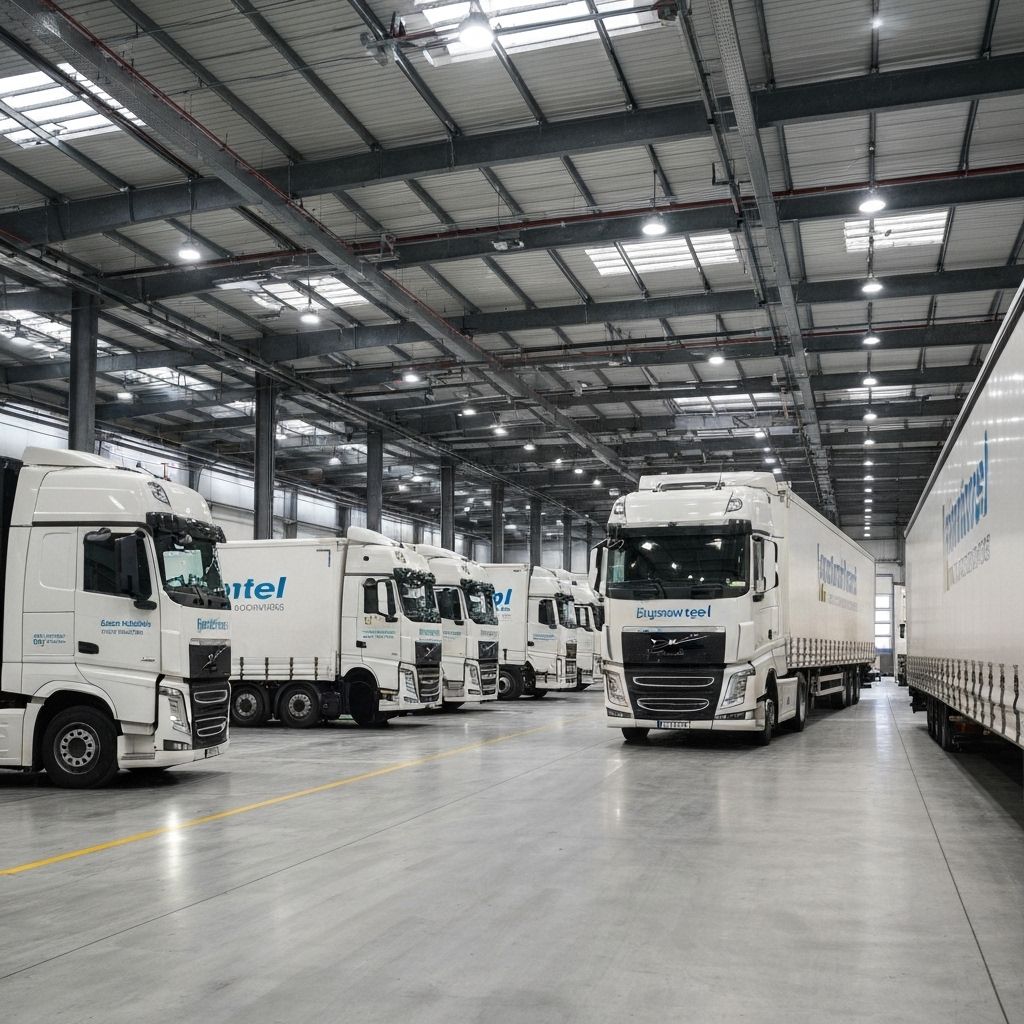
The first quarter of 2025 has witnessed unprecedented consolidation in the European logistics sector, with total transaction values exceeding €8.5 billion across 23 major deals. This represents a 340% increase compared to Q1 2024 and signals a fundamental restructuring of the competitive landscape.
Impact
Mid-sized logistics providers face increased competitive pressure from consolidated entities with enhanced bargaining power, expanded geographic coverage, and superior technology investments. Market share erosion of 5-12% is projected for regional carriers unable to match the service breadth of merged competitors.
Recommended Action
Evaluate strategic partnership opportunities with complementary carriers to achieve defensive scale. Consider specialization in high-margin niche segments (e.g., temperature-controlled, hazmat, oversized cargo) where consolidation benefits are limited. Accelerate digital transformation investments to maintain service competitiveness.
Detailed Analysis
The European logistics sector is experiencing a transformative wave of merger and acquisition activity in early 2025, fundamentally reshaping the competitive dynamics that have defined the industry for the past decade. The first quarter alone has seen 23 major transactions with a combined value exceeding €8.5 billion, representing a staggering 340% increase compared to the same period in 2024. This consolidation surge is driven by multiple converging factors: private equity firms seeking stable cash-flow assets in an uncertain economic environment, strategic buyers pursuing geographic expansion and service diversification, and family-owned logistics companies facing succession challenges opting for lucrative exit opportunities. The scale and pace of this consolidation represent the most significant industry restructuring since the post-2008 financial crisis period.
The most notable transaction of Q1 2025 was the €2.8 billion acquisition of TransEuropa Logistics by the Nordic investment consortium NordicCap Partners, creating the fourth-largest contract logistics provider in Central Europe. This deal is particularly significant because it combines TransEuropa's extensive warehousing network across Poland, Czech Republic, and Slovakia with NordicCap's existing freight forwarding operations, creating a vertically integrated logistics powerhouse capable of offering end-to-end supply chain solutions. Industry analysts project this merged entity will capture an additional 8-12% market share in the Central European contract logistics segment within 18 months, primarily at the expense of smaller regional players. The transaction also included €400 million in committed technology investments over three years, focusing on warehouse automation, AI-powered route optimization, and customer-facing digital platforms.
Another transformative deal was the merger of three mid-sized German carriers—Rhein Logistics, Bayern Transport, and Westfalen Freight—creating a combined entity with over 2,500 trucks and €850 million in annual revenue. This strategic consolidation was driven by the need to compete with larger pan-European carriers and achieve economies of scale in procurement, technology, and administrative functions. The merged company projects cost synergies of €45 million annually within two years, primarily through optimized route networks, consolidated back-office operations, and enhanced bargaining power with fuel suppliers and insurance providers. This type of defensive consolidation is becoming increasingly common as mid-sized carriers recognize the competitive disadvantages of operating independently in a market dominated by large, well-capitalized players.
The implications for mid-sized logistics providers are profound. Consolidated entities benefit from enhanced bargaining power with customers and suppliers, expanded geographic coverage enabling seamless pan-European service, and superior technology investments that smaller competitors struggle to match. Market analysis suggests that regional carriers unable to achieve similar scale through partnerships or acquisitions face projected market share erosion of 5-12% over the next 18-24 months. The competitive pressure is particularly acute in contract logistics and full-truckload segments, where customers increasingly prefer providers capable of handling complex, multi-country operations with integrated technology platforms.
Summary
The ongoing geopolitical instability in Eastern Europe is creating significant disruptions for freight movement, leading to rerouting, increased transit times, and heightened operational costs for carriers. Analysis of the Ukraine grain corridor situation and its ripple effects.
Impact
Logistics providers operating in or transiting through affected regions face prolonged delays (up to 7 days), increased transit times, heightened operational costs, and potential cargo damage due to insecure transit points.
Recommended Action
Diversify routes and carriers operating in Eastern Europe. Establish contingency plans for cargo rerouting and delay management. Invest in real-time cargo tracking and communication systems to provide accurate updates to clients.
Detailed Analysis
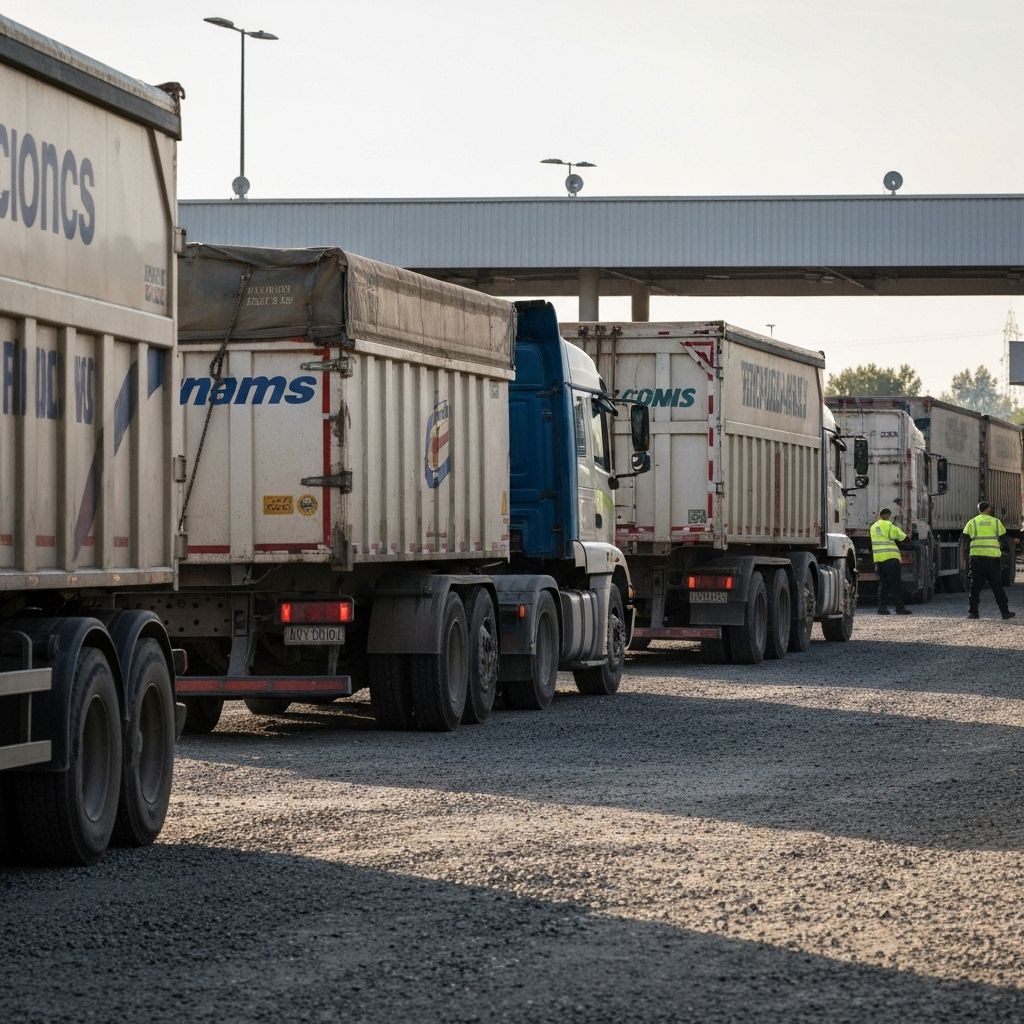
The protracted geopolitical conflict in Eastern Europe, particularly concerning the disruption of Ukrainian grain export routes, is causing significant and cascading effects on Central European freight capacity, pricing, and operational strategies. The inability to reliably access traditional Black Sea ports due to ongoing conflict and shifting international agreements has forced a substantial portion of Ukraine's agricultural output to seek alternative transit routes, primarily through overland transport via EU member states like Poland, Romania, and Hungary. This sudden influx of volume onto already strained logistics networks is creating unprecedented transit bottlenecks, extending delivery times by an average of 5-7 days, and dramatically increasing operational costs for carriers.
Industry analysis indicates that the rerouting of grain exports has placed immense pressure on key border crossings and rail infrastructure. Carriers are reporting increased dwell times of up to 48 hours at certain border points, driven by a combination of increased volume, complex customs procedures, and infrastructure limitations. This surge in demand for overland transport has also led to a sharp increase in freight rates, with fuel surcharges alone rising by 15-25% in affected regions as carriers compete for limited truck and rail capacity. The unpredictable nature of geopolitical events further exacerbates the situation, creating uncertainty for long-term planning and investment for logistics providers.
The impact extends beyond mere delays and cost increases. The prolonged transit times and reliance on potentially less secure overland routes raise concerns about cargo integrity and security, particularly for high-value or perishable goods. For logistics companies operating in or transiting through these regions, the primary challenge is maintaining delivery reliability and communicating effectively with clients amidst these disruptions. Establishing robust contingency plans, diversifying route options, and investing in real-time cargo tracking systems are becoming essential operational requirements rather than competitive advantages.